Teaching
At Carnegie Mellon, Catherine teaches undergraduate courses in the first-year writing, literary and cultural studies, and gender studies programs. She has designed and taught courses as an Instructor of Record on writing, literature, and theory, and co- taught courses in creative writing. Catherine also has over six years of writing center experience, working with graduate and undergraduate students and supervising advanced research training for writing center consultants.
She regularly leads interdisciplinary writing workshops, runs a STEM x Humanities dissertation writing group, and mentors students from diverse backgrounds. Drawing on her background in curriculum design and development at the K-12 level, she has experience assessing general education/core curriculum requirements and working with university administration.
Teaching Awards
Graduate Student Teaching Award, Department of English, Carnegie Mellon University
Inaugural Generative AI Teaching as Research (GAITAR), Eberly Center for Teaching Excellence; Educational Innovation, Carnegie Mellon University
Generative AI Teaching as Research (GAITAR) Scholarly Writing Fellow, Eberly Center for Teaching Excellence; Educational Innovation, Carnegie Mellon University
Graduate Assessment Fellowship, Dean’s Office of Dietrich College of Humanities and Social Sciences, Carnegie Mellon University
✳︎
Course Information
✳︎ Course Information
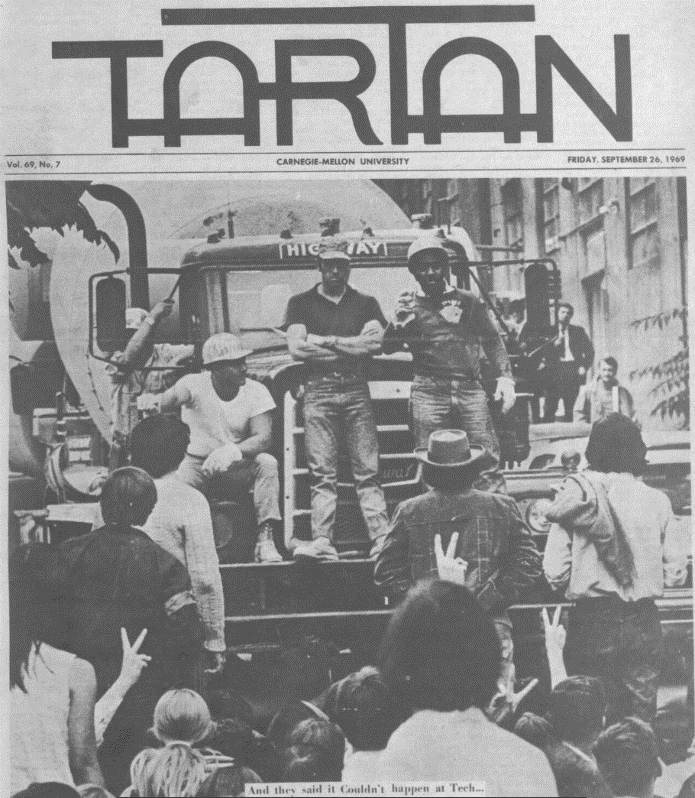
Writing about Campus Activism
Activists design flyers, write speeches, perform poetry, photograph their actions, and engage in many other kinds of media production. Yet, the art of campus activism is often viewed as a means to an end rather than as art itself. This course will focus on art, writing, and photography growing out of campus activism of the 1960s, 1970s, and 1980s. Students will engage the Carnegie Mellon Archive’s “Campus Activism and Advocacy Collection,” close viewing student‐produced materials intended to invoke change. We will read selected writings by scholars and activists such as Audre Lorde, Jeffrey J. Williams, and Toni Cade Bambara and graphic literature by Derf Backderf alongside historical issues of the campus newspaper, The Tartan. The course explores themes of social change, justice/injustice, campus life, and American culture while introducing students to academic reading and writing practices that invite them to think critically and carefully from multiple perspectives.
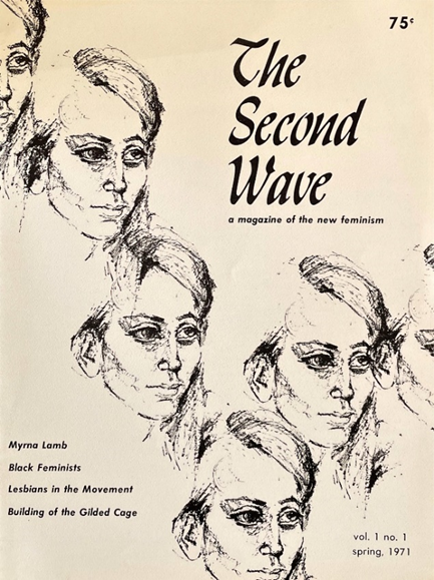
Introduction to Gender and Sexuality Studies
This course offers an introduction to the study of gender and sexuality. With interdisciplinary readings, both foundational and contemporary, the class combines theory, literature, and film with archival materials, manifestos, and popular media. Students take an intersectional approach, examining how gender converges with race, class, sexual orientation, and disability to create distinct positions and multiple axes of oppression. Through readings, essays and manifestos, original archival research, and in-class discussions students develop their ability to think critically about gender across disciplines and textual forms, to argue persuasively, and to express ideas clearly. Core texts for the course include books such as Breanne Fahs’ Burn it Down!: Feminist Manifestos For the Revolution (2020), Alice Walker’s Meridian (1976), and Rosa Alcalá’s You (2024) and films such as She’s Beautiful When She’s Angry (2014), Screaming Queens: The Riot at Compton’s Cafeteria (2005), and Watermelon Woman (1996).
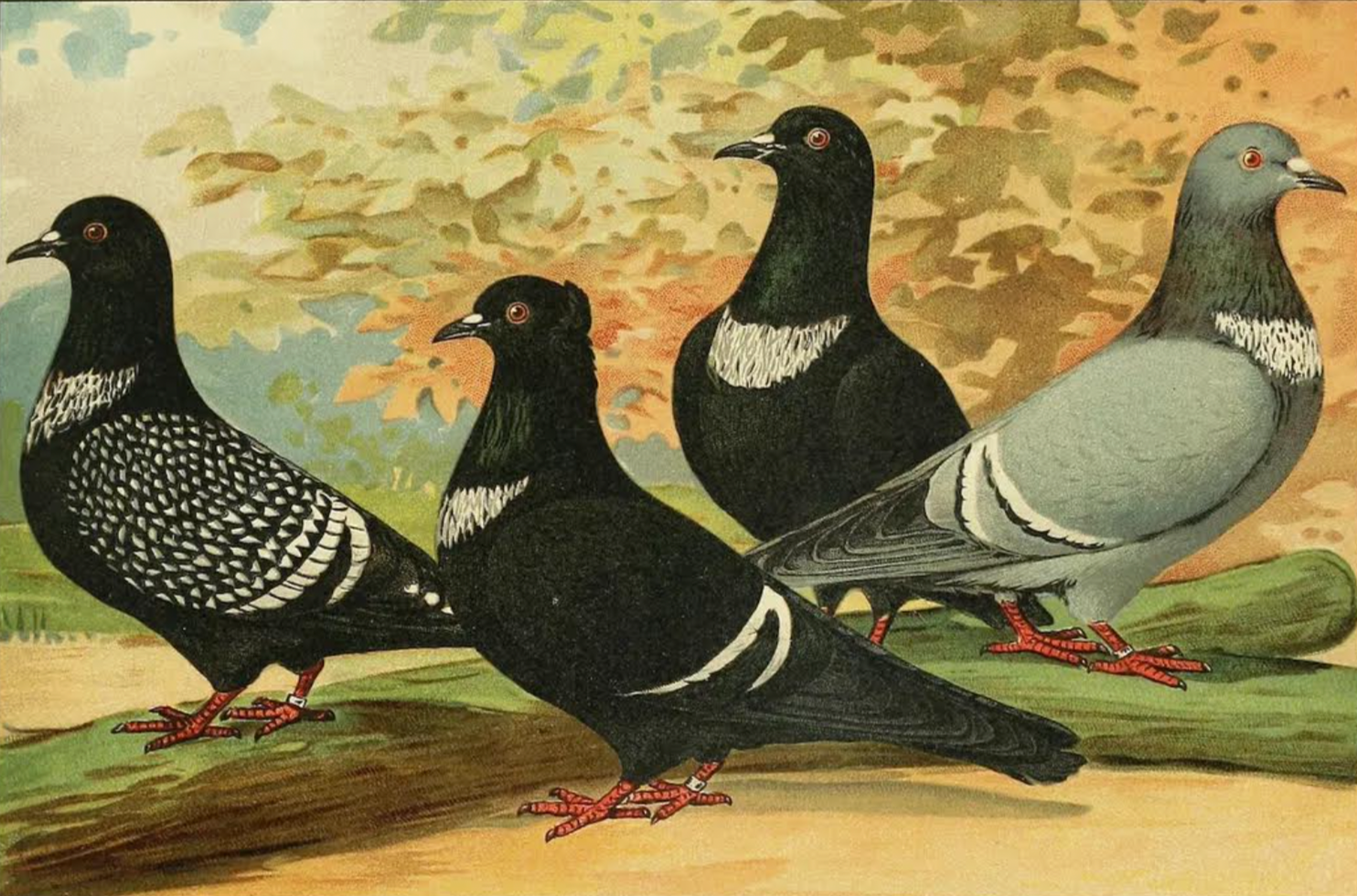
Trash(y): Waste and American Culture
Trash is all around us. From mindlessly throwing wrappers into bins that litter our streets to discarding messages into the “trash” folders in our emails, consumption and waste are a part of daily life. At the same time, trash, or what is perceived as “trashy,” is built into our cultural understanding of what is worthy of being remembered through institutions like archives, museums, and universities, and what is destined to be forgotten. In this course, students will explore how trash, and waste more broadly, are embedded in American culture and media. We will ask: What is trash? How do institutions like archives and museums determine what is worthy of being saved or discarded? Why is the concept of “trashiness” construed as a bad thing, and how are some artists, writers, and media producers reclaiming trashy? The course is organized around key debates in American studies, cultural studies, science and technology studies, and the environmental humanities. Key texts for the course include books like Alphabet City Magazine 11’s Trash (2006) and Sylvia Aguilar-Zéleny’s Trash (2023) as well as films such as Recorder: The Marion Stokes Project (2019).